
The Challenge
The Loneliness of the Digital Crowd
In an era of infinite "likes" and "swipes," genuine connection was becoming a lost art. Users were tired of superficial interactions and text-based fatigue. The Void: Existing social platforms prioritized infinite scrolling over meaningful conversation. There was a market gap for a platform that could facilitate safe, immediate, and intimate face-to-face interaction across language barriers without the awkwardness of traditional dating apps.
The Solution
Intimacy Engineered
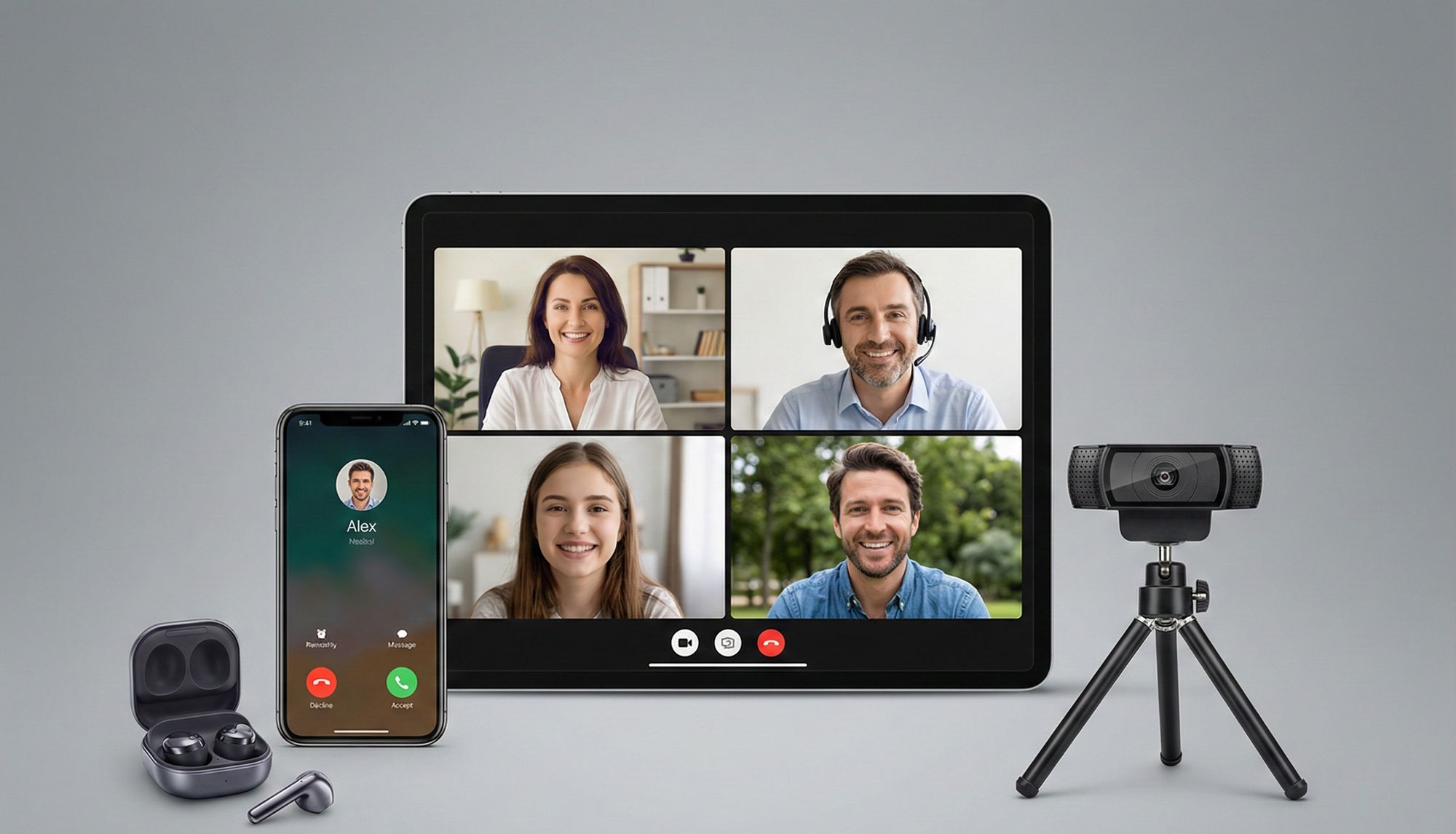
We built Mazelo as a "Live-First" social ecosystem. Unlike static profile apps, Mazelo prioritizes real-time interaction. We engineered a low-latency communication stack that makes a video call across continents feel as natural as a conversation across the table.
Key Architectural Pillars:
01. Global Low-Latency Video
We utilized WebRTC protocols to ensure crystal-clear video streaming even on unstable 4G networks. The "Smart Bitrate" algorithm adjusts quality dynamically, preventing dropped calls during crucial conversations.
02. The Babel Fish Engine (Real-Time Translation)
Breaking the language barrier. We integrated an AI-driven translation layer that converts chat text and audio captions in real-time, allowing a user in Tokyo to converse seamlessly with a user in Rio.
03. The Virtual Economy
To drive engagement and creator revenue, we built a "Virtual Gifting" system. Users can purchase and send animated digital assets during calls. This micro-transaction model turns social interaction into a sustainable economy.
04. Privacy Shield
Safety is paramount in 1-on-1 video. We implemented blur-on-connect features (video starts blurred until both parties consent) and automated AI moderation to detect and block inappropriate content instantly.
The Results
Connecting the World
Metrics:
- 1 Million+ Minutes of video calls logged in the first month
- 4.5/5 Average App Store Rating for call quality and ease of use
- 150+ Countries represented in the active user base
- 30% Increase in user retention due to the "Virtual Gifting" gamification
The Tech Stack
Built for Real-Time
Mobile:
Core Android (For a unified, high-performance experience on Android)
Video Engine:
Agora.io / Twilio Video (Enterprise-grade RTC infrastructure)
Backend:
Node.js with Socket.io (For instant signaling and chat)
AI:
Google Cloud Translation API & Content Moderation AI
Database:
MongoDB (Handling complex user relationship graphs)